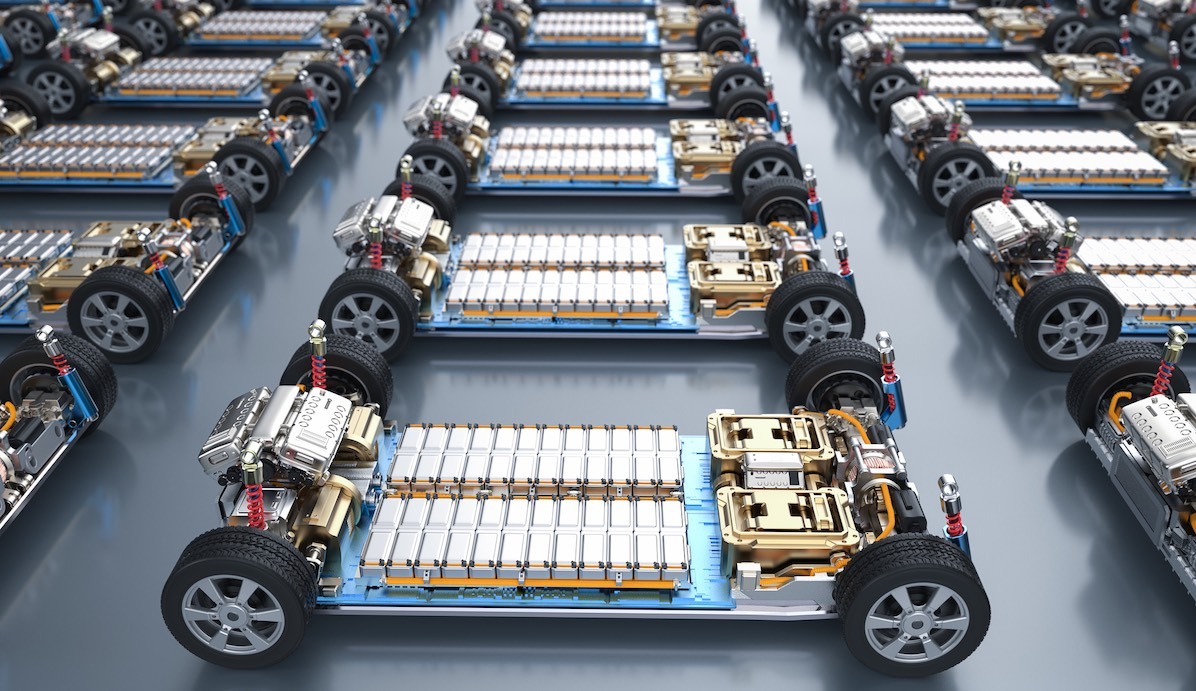
Electric cars are often heavier than their fuel-powered counterparts, primarily due to the weight of their batteries.
The large lithium-ion batteries required to power electric vehicles (EVs) add significant mass, which can make them heavier than traditional internal combustion engine vehicles. For instance, while a compact fuel-powered car might weigh around 3,000 pounds, its electric equivalent could weigh 3,500 pounds or more.
We found a list of the heaviest EVs of 2024 from Kelley Blue Book, and we identified similarly sized gasoline-powered cars, along with their weights, to visually compare the weight differences between the two.
| Electric Vehicle Model | Length (inches) | Width (inches) | Curb Weight (pounds) | Similar Gas Vehicle Model | Gas Vehicle Curb Weight (pounds) |
|---|---|---|---|---|---|
| GMC Hummer EV Pickup | 216.8 | 93.7 | 9,063 | GMC Sierra 1500 | 5,200 |
| Rivian R1T | 217.1 | 81.8 | 7,148 | Ford F-150 | 4,069 |
| Rivian R1S | 200.8 | 81.8 | 6,986 | Chevrolet Tahoe | 5,400 |
| Tesla Cybertruck | 223.7 | 95 | 6,603 | Chevrolet Silverado 1500 | 4,200 |
| Mercedes-Benz EQS 580 4Matic SUV | 201.8 | 84.9 | 6,228 | Mercedes-Benz GLS | 5,500 |
| Ford E-Transit Van | 263.9 | 110.4 | 6,169 | Ford Transit Van | 5,500 |
| Ford F-150 Lightning | 232.7 | 96.0 | 6,015 | Ford F-150 | 4,069 |
| BMW i7 xDrive 60 | 212.2 | 76.8 | 5,975 | BMW 7 Series | 4,500 |
| Cadillac Lyriq AWD | 196.7 | 86.9 | 5,557 | Cadillac XT5 | 4,200 |
However, this additional weight doesn’t necessarily translate to a disadvantage. The heavy batteries in EVs are usually placed low in the vehicle, improving stability and handling. Additionally, electric cars benefit from instant torque, which can offset the impact of the extra weight, providing quick acceleration and a smooth driving experience.
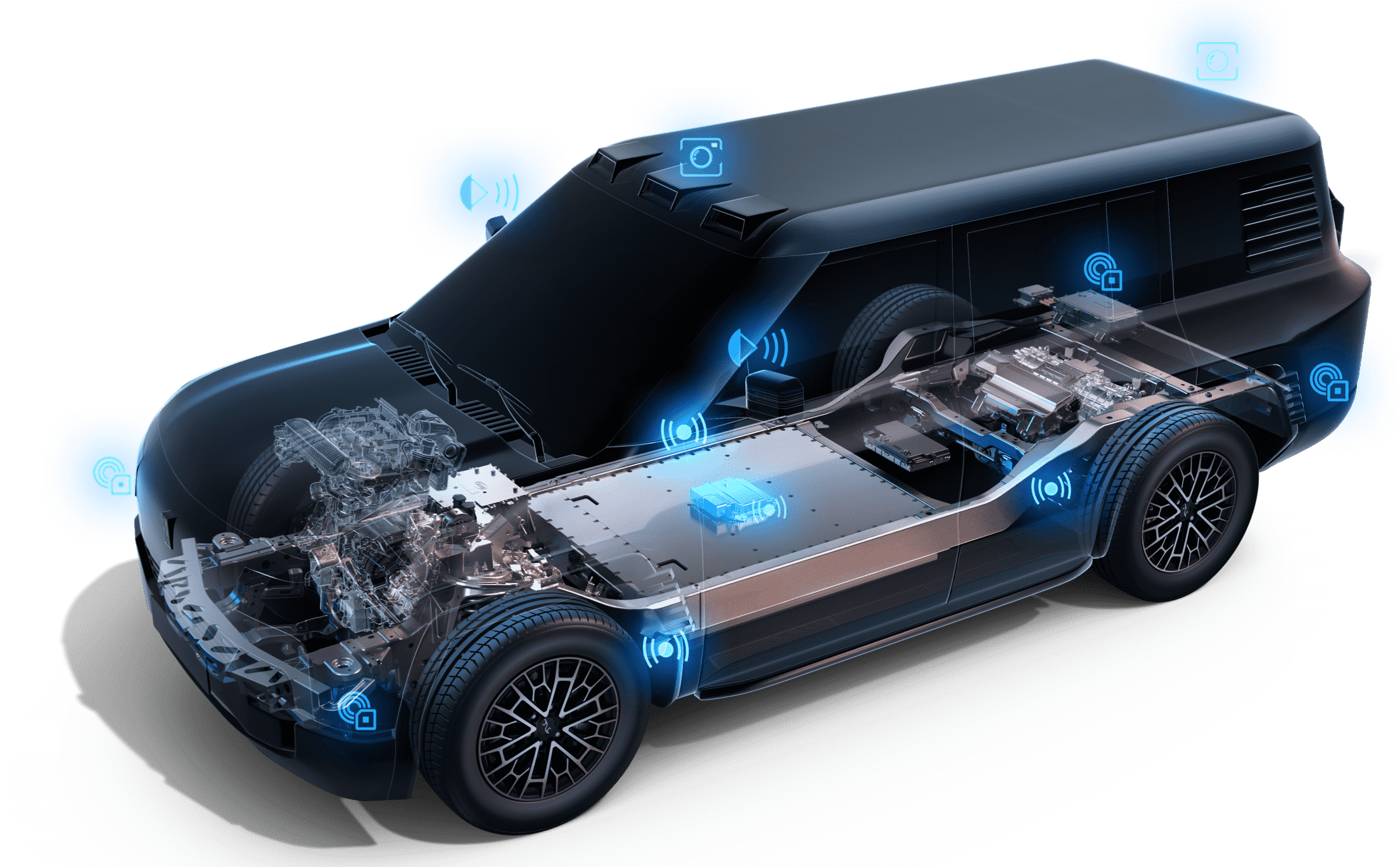
BYD Yangwang’s Yisifang system.
The center of gravity is at the bottom of the car.
Despite the weight difference, electric cars offer numerous benefits, such as reduced emissions and lower operating costs. The extra weight can also contribute to motion sickness in electric vehicles — a common issue that many new EV owners experience. As battery technology continues to advance (CATL’s Shenxing PLUS already achieves a 1000 km range), we can expect future electric vehicles to become lighter and even more efficient, further closing the gap with traditional fuel-powered cars.
If you’re still deciding which type of electric vehicle is right for you, see our BEV vs PHEV vs FCEV comparison guide.
