Confirmed. HarmonyOS Will Support App Side-Load
Huawei confirmed at HDC 2025 that HarmonyOS will support app side-loading. Here's why it matters for the app gap and the growing HarmonyOS ecosystem.

- Louis
- 2 min read
- Affiliate Disclosure

On June 22nd, Zhu Dongdong, President of the Tablet and PC Product Line at Huawei’s Consumer Business Group (BG), confirmed that HarmonyOS will support app side-load in Huawei Developer Conference 2025. This may reduce the lack of applications that affects the development of HarmonyOS, attracting more users to the ecosystem. The ecosystem is also growing — QQ now supports HarmonyOS PCs, and WeChat adaptation is underway. For a broader perspective on why HarmonyOS matters as a domestic OS alternative, see HarmonyOS NEXT becoming the world’s third-largest mobile OS — including its security advantages over Windows.
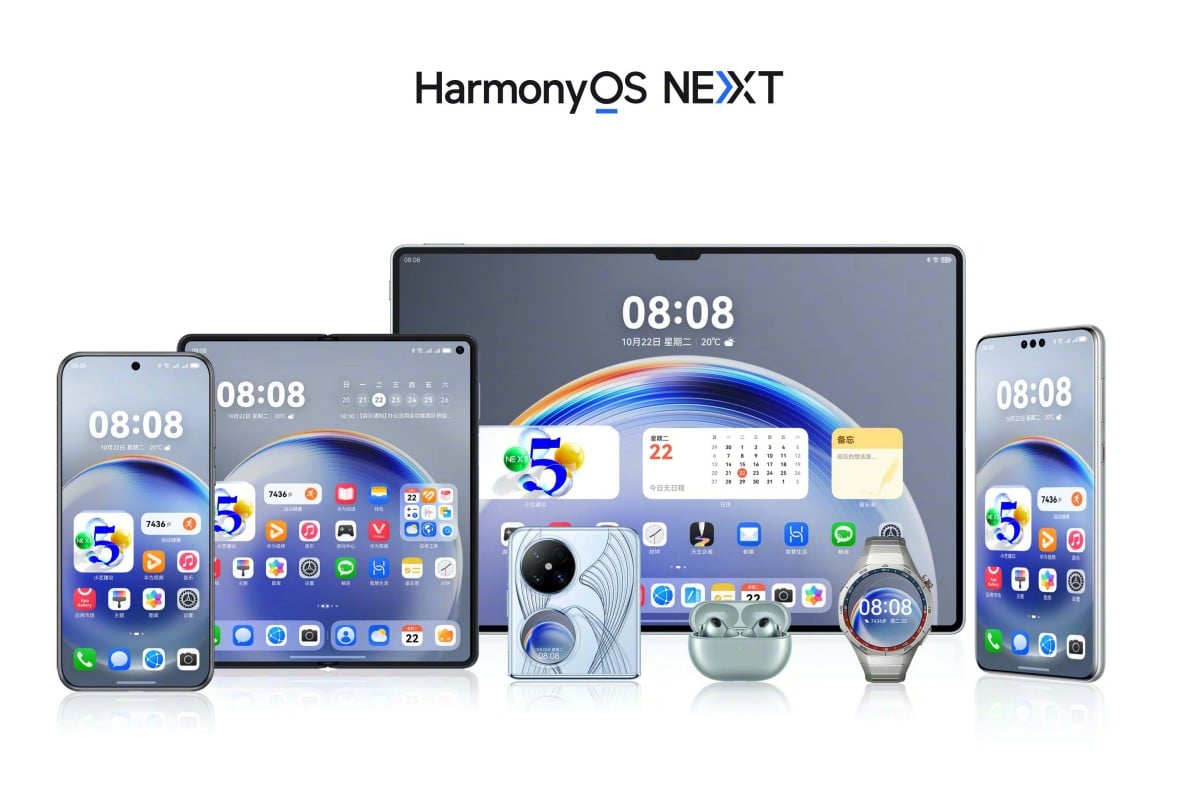
HarmonyOS is a well developed next-generation operating system. It brings the same experience across devices, from phones, tablets to PCs, smart watches, and even electric cars. Currently, the only shortcoming of HarmonyOS is its lack of app diversity. Unlike smartphones and tablets, once HarmonyOS PCs hit the market, users became more concerned about whether they could serve as productivity tools. Thus, this shortcoming has prevented lots of customers from buying a HarmonyOS PC.
Some applications cannot be distributed to app store for some reasons, but at the meantime, are required by specific users. Side-load allows users install applications from 3rd-party app stores, or using a program package downloaded from any source. In this case, side-load might be a good solution.
One thing remains unclear is whether side-load requires digital signature/developer identity or not. If yes, HarmonyOS is working like iOS and iPad OS. Otherwise, it would be more like Android, which means greater freedom.
