
**As electric vehicles become mainstream, how can we deal with motion sickness?
If you’re new to electric vehicles and still figuring out which type suits you, check out our BEV vs PHEV vs FCEV guide first. But whether you drive a BEV, PHEV, or FCEV, motion sickness is a real concern — EVs are also heavier than fuel-powered cars, which changes how they move and feel on the road.**
In recent years, electric vehicles (EVs) have rapidly gained popularity in the automotive market, attracting many consumers with their quiet operation, environmental friendliness, and efficiency. However, a new challenge has emerged for some people—motion sickness. Even those who have never experienced discomfort in traditional gasoline cars may start feeling nauseous in electric vehicles.
So, why does the unique driving behavior of electric cars trigger motion sickness, and how can drivers and passengers manage it? In this article, we’ll provide practical tips to help you enjoy a smoother, more comfortable EV ride.
Causes of Motion Sickness in Electric Vehicles
Motion sickness primarily involves the body’s balance system. When the inner ear senses movement that doesn’t match the visual information the eyes receive, the brain becomes confused, leading to nausea. Because electric vehicles run more smoothly and quietly than traditional cars, this mismatch between sensory inputs can be more pronounced, making passengers more prone to motion sickness despite the overall reduction in noise and vibrations.

How Drivers Can Reduce Motion Sickness for Passengers
- Maintain Smooth Driving
Electric vehicles deliver instant torque, allowing for quick acceleration and responsive braking, but this can cause discomfort for passengers. To help mitigate this, drivers should avoid rapid acceleration and sudden braking, especially in urban or congested areas. Smooth and gradual changes in speed can reduce the sensory mismatch between the inner ear and the eyes, helping to minimize motion sickness. - Control Speed Appropriately
Keeping the vehicle at a moderate speed can also help reduce the likelihood of passengers feeling nauseous. The faster the car goes, the more pronounced the physical sensations, increasing the chances of motion sickness. Managing speed not only improves passenger comfort but also enhances the energy efficiency of the electric vehicle. - Leverage the Active Suspension System
Many high-end electric vehicles are equipped with an active suspension system, which adjusts the suspension and braking in real time to minimize bumps and vibrations. This feature can significantly reduce discomfort for passengers. If your vehicle has this function, make sure to take full advantage of it during your drive. - Lower the Regenerative Braking Level
To conserve energy, electric vehicles can automatically recover energy when the accelerator is released, causing the vehicle to decelerate quickly even without pressing the brake pedal. If the regenerative braking level is set too high, it can create a sensation of frequent braking, which may increase the likelihood of motion sickness for passengers.
How Passengers Can Avoid Motion Sickness
- Maintain Visual Stability
Focusing on a fixed object in the distance, such as the road ahead or the horizon, can help alleviate the conflict between the inner ear and visual perception. Front-seat passengers usually have an easier time doing this because they have a broader field of view, but even backseat passengers should try to keep their gaze forward. - Avoid Reading or Looking at Your Phone for Long Periods
When a vehicle is moving, reading a book or looking at a phone creates a disconnect between what your eyes are focusing on and what your inner ear senses from the motion of the car, increasing the likelihood of motion sickness. It’s best to save these activities for when the car is stopped.
iOS 18 has introduced a new feature called Vehicle Motion Cues, which helps reduce motion sickness by displaying moving dots on the screen. You can refer to this article for more information: How iOS 18’s New Feature Reduces Motion Sickness. - Ensure Proper Ventilation
Good air circulation in the car can greatly reduce the discomfort associated with motion sickness. Open the windows or adjust the air conditioning to allow fresh air into the cabin. Proper ventilation not only helps dissipate any unpleasant odors but also contributes to a more comfortable overall atmosphere for passengers. - Use Motion Sickness Aids
In recent years, technology companies have developed devices specifically designed to reduce motion sickness, such as the “Bionic Self-Balancing and Visual Stabilization System” developed by Xi’an University of Electronic Science and Technology. Although this system was initially designed for marine travel, its principle of balancing visual and inner ear inputs can also help passengers in electric vehicles. Consider using such devices to reduce nausea during your trip. - Try Aromatherapy
Research has shown that the scent of ginger flower can effectively alleviate motion sickness. Passengers might consider using ginger flower essential oil or other fresh and natural scents inside the car, inhaling the aroma when discomfort arises to help stabilize their balance system.
Electric Vehicle Technologies Designed to Prevent Motion Sickness
As the issue of motion sickness becomes more prevalent with the rise of EVs, several automakers and tech companies have developed advanced technologies specifically aimed at alleviating this problem. Below are some of the key anti-motion sickness technologies currently being used or developed by various electric vehicle brands.
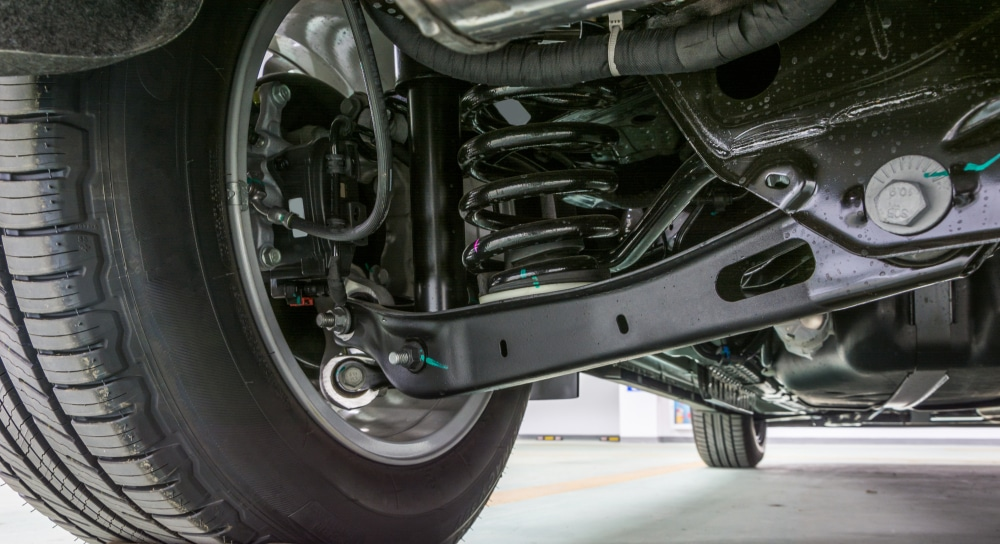
- Active Suspension Systems
Active suspension systems play a major role in reducing the discomfort associated with motion sickness. These systems work by automatically adjusting the suspension height and stiffness in real time, reducing vibrations and bumps to provide a smoother ride.- Tesla: The Tesla Model S and Model X feature an Adaptive Air Suspension system, which adjusts to road conditions and driving modes to offer a smoother, more comfortable ride for passengers.
- Audi: The Audi e-tron lineup is equipped with an Adaptive Air Suspension, allowing the vehicle to alter its suspension dynamics based on speed and road surface to enhance ride comfort.
- Mercedes-Benz: Models like the EQC and EQE feature the AIRMATIC Air Suspension System, which continuously monitors road conditions to reduce jolts and shocks, making the ride more comfortable for passengers.
- Adaptive Cruise Control (ACC)
Adaptive Cruise Control helps maintain a steady speed and safe distance from the vehicle ahead, reducing the need for sudden acceleration or braking. This smoother driving experience can help prevent motion sickness.- Nissan: The Nissan Leaf features ProPILOT Assist, a semi-autonomous driving system that helps maintain a steady speed and smooth braking to reduce motion sickness.
- BMW: The BMW iX and i4 come with the Driving Assistant Professional system, which offers advanced adaptive cruise control for a more balanced and comfortable driving experience.
- In-Car Air Quality Management
Airflow and cabin air quality can significantly affect motion sickness. Many EV brands now include advanced air management systems to keep the cabin environment fresh and well-ventilated, helping to reduce discomfort.- Lucid Motors: The Lucid Air features an advanced air purification system that adjusts cabin airflow based on external conditions, improving air quality and reducing the risk of motion sickness.
- Tesla: Tesla’s HEPA air filtration system in some models effectively filters out pollutants, ensuring that passengers breathe clean air, which helps alleviate discomfort during the ride.
- Motion Sickness-Reducing Seat Designs
Seat design plays a crucial role in passenger comfort. Some EV manufacturers have integrated ergonomic seating that reduces body movement and impact during sharp turns or bumpy roads, helping to prevent motion sickness.- Volvo: The Volvo XC40 Recharge offers ergonomically designed seats with enhanced support, which reduces the likelihood of passengers feeling disoriented during long trips.
Conclusion
Although the driving characteristics of electric vehicles differ from traditional gasoline cars, motion sickness is not inevitable. By adopting smooth driving techniques, leveraging advanced EV technologies, and following some simple tips, both drivers and passengers can enjoy a more comfortable electric vehicle journey.
With the continuous development of innovations like active suspension systems, adaptive cruise control, and even dedicated motion sickness aids, future EV journeys promise to be even more enjoyable and nausea-free.
Want to stay informed on the latest EV news and driving tips? Follow our blog for more insights!
