
If you ever needed proof that some brands fundamentally misunderstand their customers, Logitech just handed you a textbook example.
In March 2026, Logitech China found itself in hot water after a promotional video from its official flagship account casually dropped this gem:
“When I cut prices, won’t you still run over like a dog?”
Yes, that wasn’t satire. That was the marketing message.
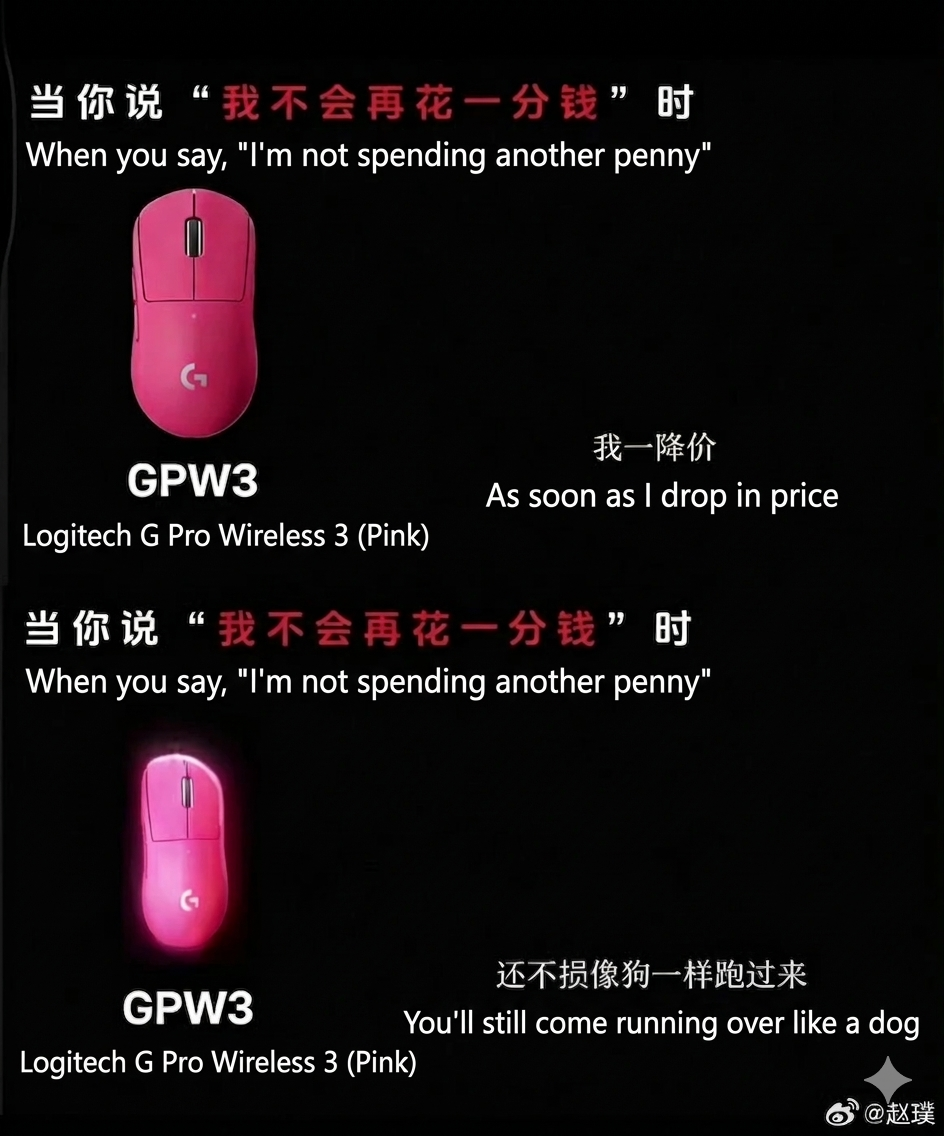
The backlash was immediate—and entirely predictable. Chinese consumers didn’t find it edgy or humorous. They found it insulting. The video was quickly taken down, and Logitech China issued an apology, blaming the incident on an employee at an authorized operator who bypassed internal review processes.
Let’s be honest: that explanation fixes the symptom, not the disease.
This Isn’t “Edgy”—It’s Contempt
There’s a fine line between bold marketing and outright disrespect. Logitech didn’t just cross that line—it sprinted past it and kept going.
Calling your customers “dogs” is not provocative branding. It’s lazy cynicism dressed up as humor.
The underlying message is even worse:
“We know you complain, but you’ll still buy our products anyway.”
That’s not marketing. That’s contempt.
And here’s the uncomfortable truth: brands only get this arrogant when they think they can get away with it.
The Real Problem: Channel Chaos, Not One Rogue Employee
Logitech’s official response pins the blame on a rogue operator skipping approval processes. Sure—that might be factually correct. But strategically, it’s irrelevant.
If your brand voice can be hijacked by a single outsourced employee, then your brand governance is already broken.
Let’s translate Logitech’s excuse into plain English:
- “We outsourced our sales channel.”
- “We didn’t fully control what they said.”
- “We got caught.”
This is not a one-off mistake. This is a structural failure.
And in China’s hyper-fast, algorithm-driven platforms like Douyin, outsourced content without strict control is basically playing brand roulette.
Why This Blew Up So Fast
This wasn’t just about one offensive sentence. It hit three very sensitive nerves in the Chinese market:
1. Growing Consumer Self-Awareness
Chinese consumers are no longer passive price-takers. They are vocal, organized, and increasingly brand-conscious. Calling them “dogs” is not just rude—it’s tone-deaf.
2. Long-Standing Pricing Frustrations
Some users have already complained that Logitech products are priced higher in China than in other regions. So when a brand jokes that consumers will “run back” after a discount, it reinforces the perception of exploitation.
3. Accumulated Trust Issues
Earlier service-related complaints—like delayed responses to software issues—have already chipped away at trust. This ad didn’t create frustration; it triggered it.
The Apology: Standard, Safe, and Forgettable
Logitech’s apology hit all the usual corporate notes:
- “We are shocked”
- “We sincerely apologize”
- “We will strengthen management”
In other words: the corporate equivalent of “my bad.”
But apologies without accountability are just PR maintenance.
The real question is not:
“Who posted this?”
The real question is:
“Why did no one think this was a bad idea before it went live?”
A Bigger Lesson for Global Brands
This incident isn’t just about Logitech. It’s a warning to every global brand operating in China:
- You cannot outsource your voice and expect to keep your reputation.
- You cannot rely on “edgy humor” when you don’t understand local sentiment.
- And most importantly, you cannot treat consumers like they’re stupid—and expect loyalty.
Because here’s the twist Logitech forgot:
Consumers aren’t dogs.
They don’t just “run back.”
They also walk away.
Final Thought
Logitech built its reputation on precision—precise hardware, precise engineering, precise user experience.
It might be time they apply the same precision to something they clearly neglected:
Respect.
