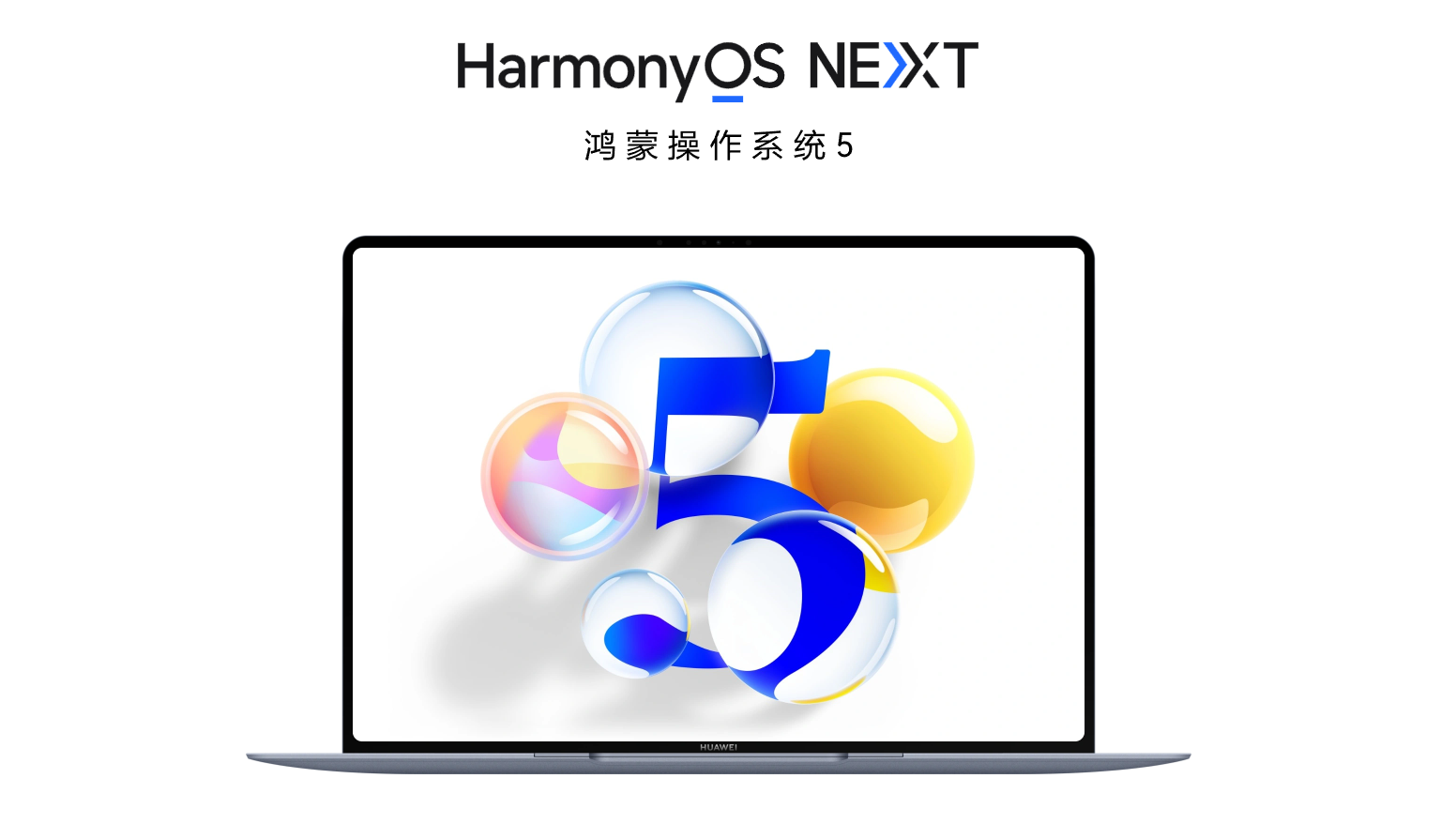
According to Chinese media reports, QQ has completed the adaptation for Huawei HarmonyOS computers. WeChat and Enterprise WeChat are also accelerating their adaptation process and will be launched successively. This is undoubtedly a huge piece of good news for the HarmonyOS ecosystem — especially since HarmonyOS has confirmed it will support app side-loading, addressing a key concern about app availability. For the bigger picture on HarmonyOS’s rise as the world’s third-largest mobile OS and its implications for Windows, see HarmonyOS NEXT overview on TheWindows12.
It is well known that the survival of a system depends on the application ecosystem built around it. Whether the system can attract users hinges on the availability of applications that meet their needs. In turn, the size of the user base determines the system’s appeal to developers—whether it can motivate more of them to develop and iterate applications for the platform.
Microsoft’s Windows Phone had innovative design and strong performance, but its lack of apps ultimately caused it to lose out to iOS and Android, and fade into obscurity.
Huawei’s HarmonyOS-powered computers do not run the dominant Windows operating system, meaning Huawei must build an application ecosystem from scratch. Since desktop use cases are generally more specialized, in the early stages of HarmonyOS’s development—before mainstream professional software becomes widely compatible—bringing Tencent’s hugely popular apps onboard could help attract more potential users and boost market confidence.
Adapting national favorites like QQ and WeChat for HarmonyOS also benefits Tencent. If, one day, China–U.S. relations continue to deteriorate to the point where Windows, iOS, and Android are no longer usable, HarmonyOS, as a domestic operating system, would serve as a strong alternative. Moreover, if HarmonyOS succeeds in the long run, those who adapt early will be better positioned within the emerging ecosystem.
