
According to weather.com’s forecast, December could skew colder than usual in parts of the northern U.S. With winter arriving, the challenges of snowy and icy roads follow. For drivers, ensuring safety under such harsh conditions becomes crucial. This article will delve into the Snow Socks vs. Snow Chains comparison, helping you make the best choice for winter driving.
What Are Snow Socks?
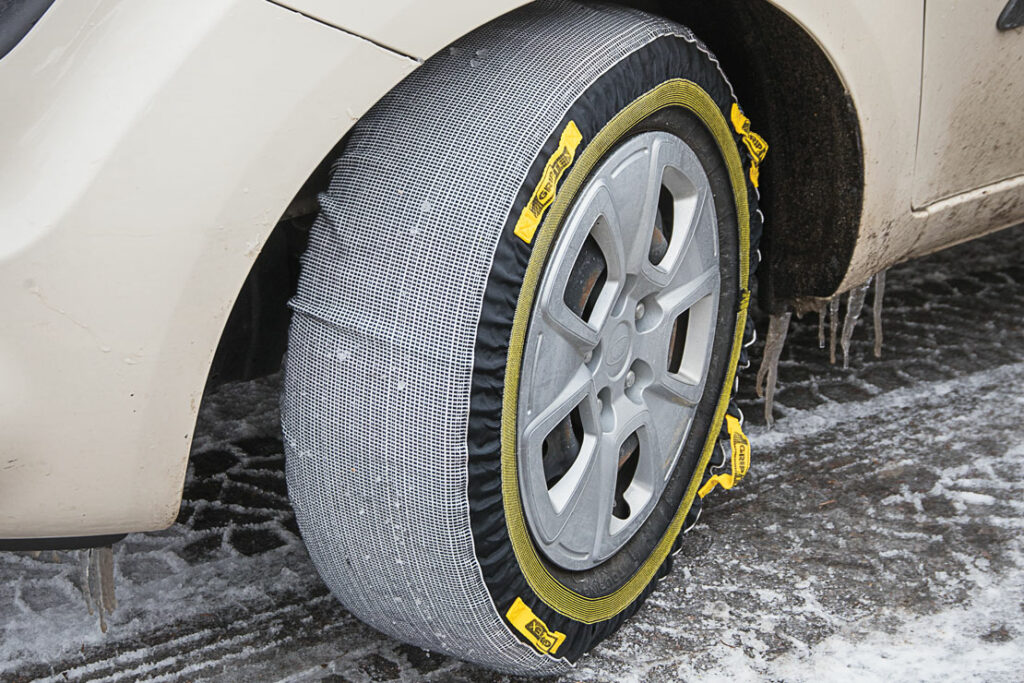
Snow socks are a type of traction device usually made from high-strength fibers, designed to slip over your tires like socks. They are typically constructed from flexible and durable materials, such as aramid fibers, making them highly effective in intricate snowy environments.
How Do Snow Socks Work?
Snow socks work by creating friction between the tire surface and the icy or snowy road through their high-strength fiber materials. These fibers grip onto the ice and snow, preventing the tires from slipping. The flexible material allows the snow socks to evenly distribute pressure across the tire’s surface, enhancing traction.
Ease of Use and Installation
Installing snow socks is relatively straightforward. You just need to pull them over the tires and move the vehicle slightly to ensure complete coverage. This process can be completed within a few minutes, making them especially useful for drivers who suddenly encounter snowy conditions.
This video demonstrates how easy it is to install a snow sock.
Suitable Conditions for Snow Socks
Snow socks are best suited for light to moderate snow and icy roads, particularly in urban driving settings. They provide good traction on slippery roads but are less effective in deep snow or extreme conditions.
Pros and Cons of Snow Socks
- Pros
- They produce virtually no noise, ideal for city commutes.
- The soft materials do not harm the road surface or tires.
- Most people can install them with minimal effort.
- Cons
- In severe snow or ice conditions, the traction might not be as reliable as that provided by snow chains.
What Are Snow Chains?
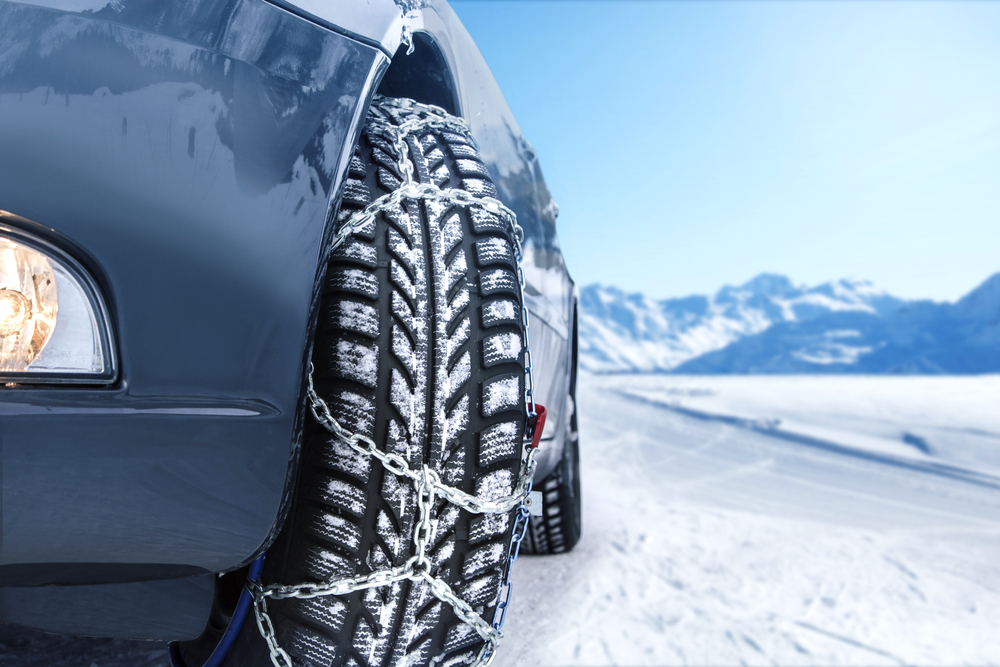
Snow chains are a traditional traction device (The history of snow chains can be traced back to 1904, when they were invented by Harry D. Weed.) usually made of metal. These metal chains offer superior grip, suitable for harsh snowy and icy conditions.
How Do Snow Chains Work?
Snow chains create traction through the friction and gripping force of their metal chains against the road surface. The chains form multiple contact points that increase the friction between the tires and the road. These metal chains dig into the snow and ice, preventing the vehicle from slipping and providing stronger traction. Compared to snow socks, snow chains are more effective in extreme conditions.
Ease of Use and Installation
Installing snow chains is more complex and requires more time and skill. The chains must be tightly wrapped around the tires and secured with clasps. This process can be time-consuming, especially for those without prior experience.
You can learn how to install snow chains from this video.
Suitable Conditions
Snow chains are designed for driving in deep snow and severe cold, particularly in mountainous areas or rural roads where extreme weather is common.
Pros and Cons of Snow Chains
- Pros
- They provide excellent traction even in the harshest environments.
- They have a long lifespan, making them suitable for repeated use.
- Cons
- Requires time and know-how.
- The metal chains can be quite loud on the road.
- Metal chains can cause wear and tear on roads and tires.
Comparative Analysis: Snow Socks vs. Snow Chains
Ease of Installation
Snow socks are easy to install, ideal for sudden snow encounters. Snow chains, however, require more effort and skill.
Performance Comparison
Snow socks perform well in light to moderate snow and icy conditions. Snow chains offer better grip and safety in deep snow and extreme conditions.
User Feedback and Reviews
Most users praise snow socks for their quiet operation and ease of installation, making them perfect for city driving. Snow chains receive accolades for their performance in mountainous and rural areas, especially under extreme conditions.
Are Snow Socks Better Than Chains?
Both snow socks and snow chains have their pros and cons. The best choice depends on your actual driving environment and needs.
In light to moderate snow and icy conditions, snow socks provide a convenient and quiet driving experience, ideal for urban drivers. In more severe deep snow and icy environments, snow chains offer better traction and safety, making them the go-to choice for mountainous and rural areas.
If you frequently drive under extreme conditions, snow chains might be better suited to your needs.
How to Choose the Right Traction Device?
Evaluate Your Driving Needs
- If mostly driving in cities and on highways, snow socks are recommended.
- For frequent driving in mountainous areas or rural roads, snow chains are a better choice.
Safety and Legal Requirements
- Check local regulations regarding winter traction devices before making a decision.
Recommended Products
There are many snow socks and snow chains products on the market. Because of the safety issues, we recommend choosing products that have stood the test of the market, that is, products that have both sufficient sales and many positive reviews.
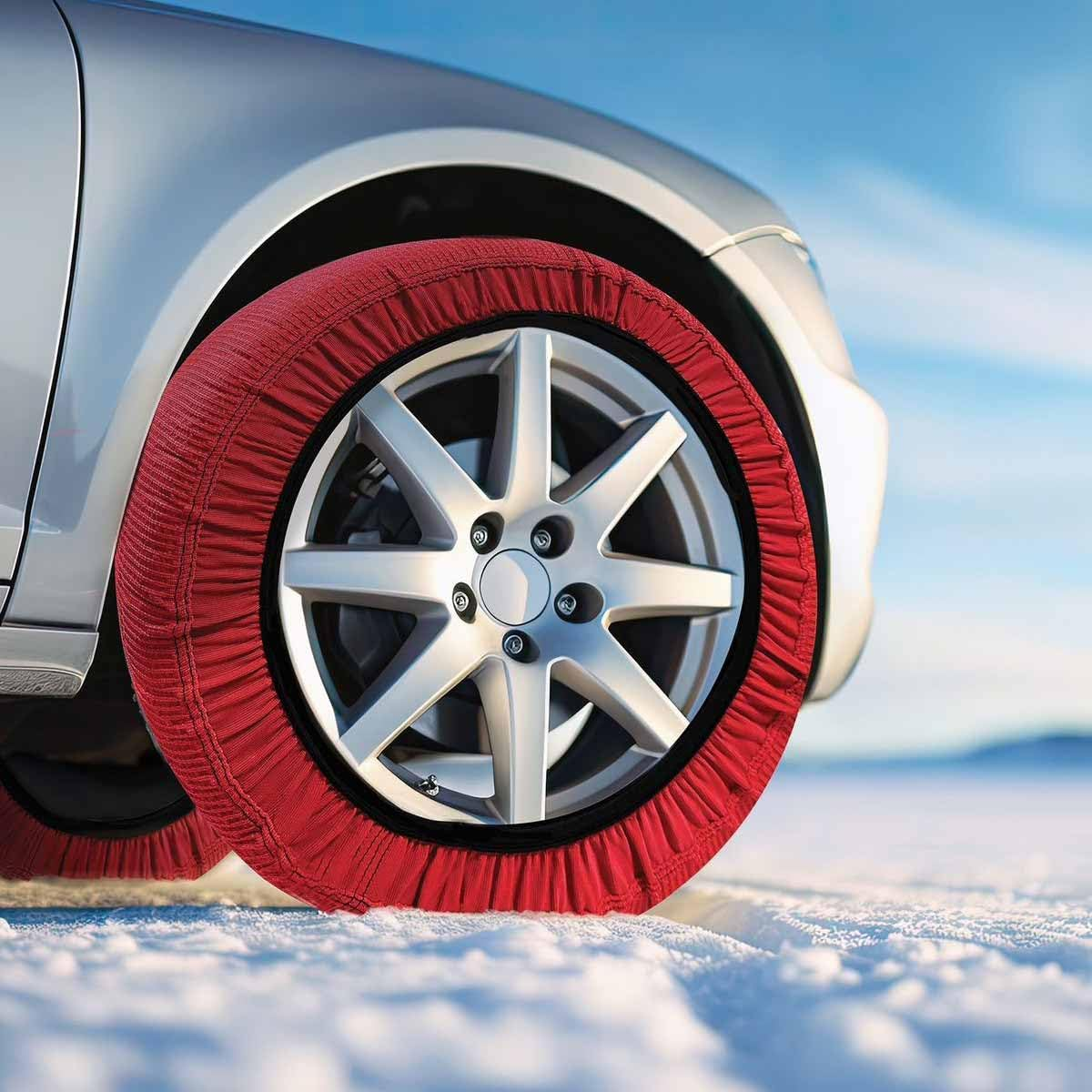
CARALL Snow Socks
- Image:
- Features:
- 2 MIN. - QUICK AND EASY ASSEMBLY
- RESISTENT AND REUSABLE
- DOES NOT DAMAGE ABS / ESP RIMS
- Price: $49.00 (Regular: $59.00)
- Rating: 5
- Links:
- Image:
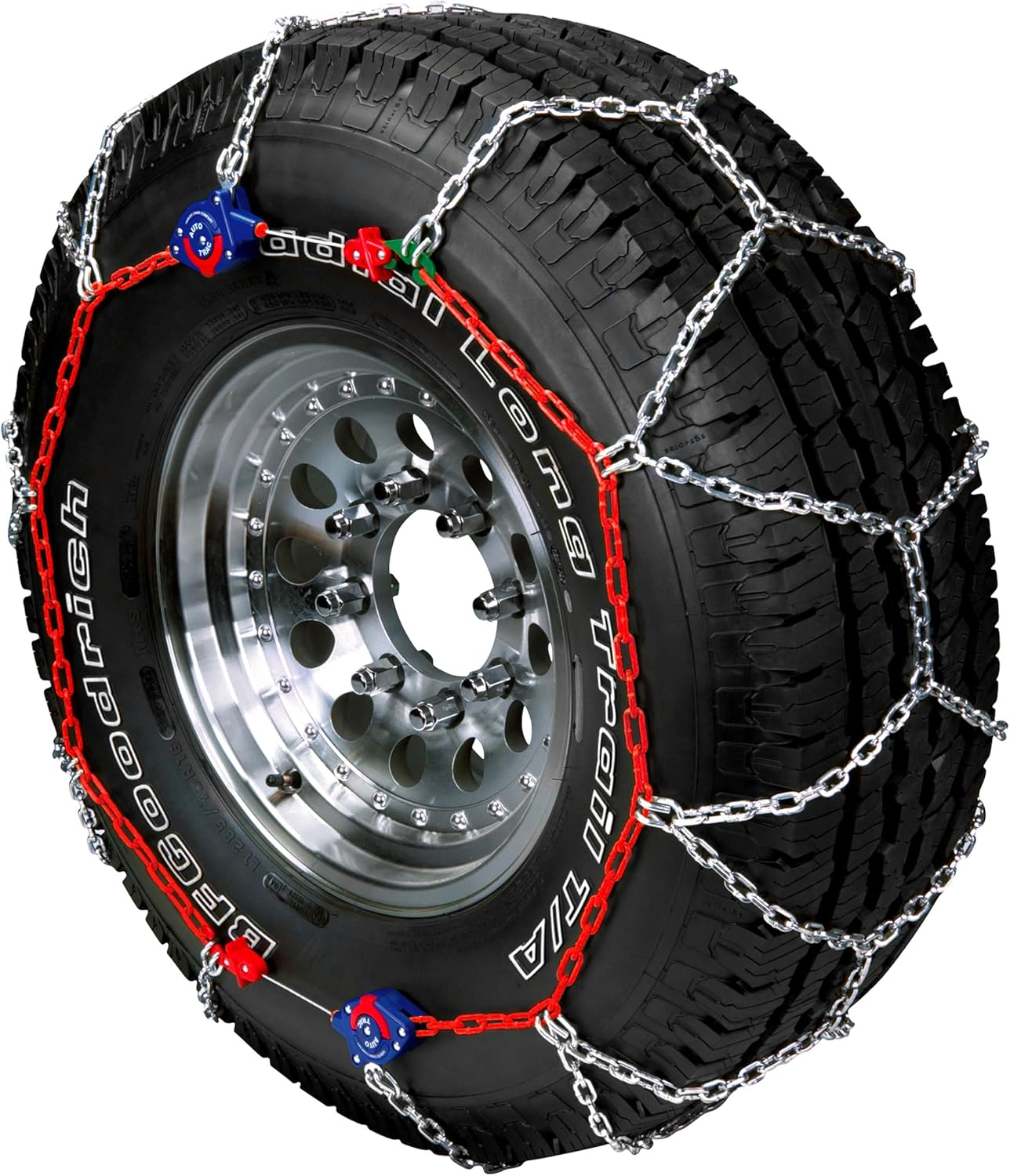
SCC Auto-Trac Light Truck/SUV Tire Traction Chain
- Image:
- Features:
- Worry-free self-tightening ratchets provide automatic tightening and centering
- Easy installation and removal in minutes
- Price: $49.00 (Regular: $59.00)
- Rating: 5
- Links:
- Image:
Summary of Snow Socks vs. Snow Chains
Thanks for your reading. Through this snow socks vs. snow chains comparison, we aim to provide valuable insights to help you drive safely during winter. Choose the appropriate traction device to ensure a safe drive and have a secure winter season.
