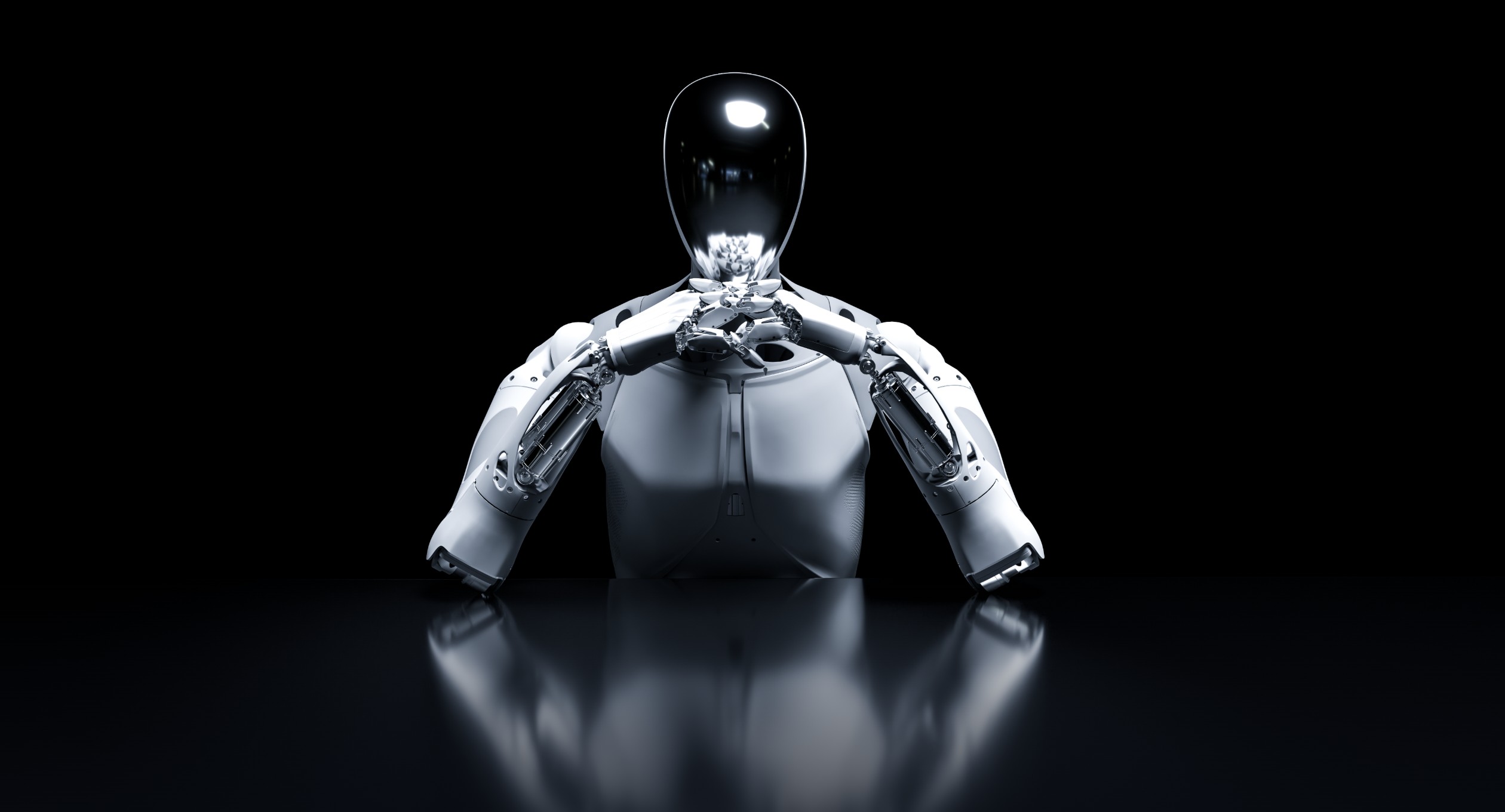
People have long dreamed of building a general-purpose robot, and the humanoid robot is considered its ultimate form.
Tesla Optimus and Unitree G1 are among the current leaders in the market, but they are clearly just machines in the shape of humans. That was until XPENG unveiled its AI robot IRON — a humanoid robot that finally looks and moves like a real person.
Let’s take a look at IRON walking toward us at the XPENG launch event. Its body resembles that of a young woman, and its gait is a textbook runway walk. If not for the occasional brief pause, its movements would be indistinguishable from a human’s.
In response to suspicions that there might be a real person hidden inside, XPENG staff boldly cut open IRON’s pant leg and part of its “muscle” covering on stage, revealing the mechanical structure underneath. This daring demonstration silenced the doubts, proving how remarkably well IRON’s posture and motion control were engineered.
According to XPENG’s official website, IRON was designed to resemble a human in appearance, hands, speech, and walking. Many factories face dangerous environments where robots are better suited to replace humans, and IRON has already begun real-world training in such industrial settings. It may soon take on specific roles in place of people.
Becoming more human-like is not merely the goal of humanoid robot development — it is an inevitable result. The more lifelike a robot becomes, the finer its control systems and the higher its intelligence. XPENG IRON brings us to the frontier of humanoid robotics — a future that feels closer than ever.
