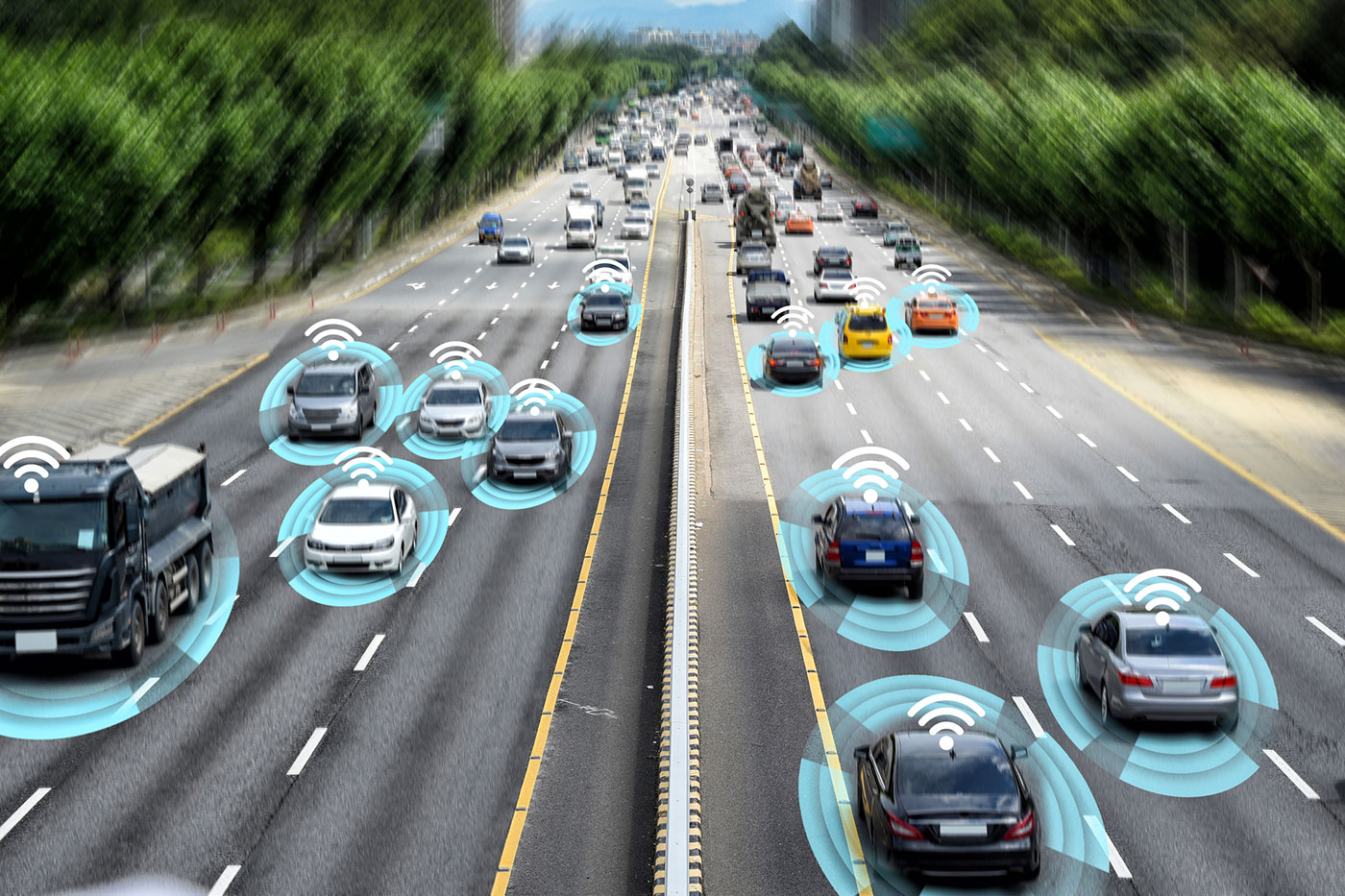
Currently, global electric vehicle manufacturers are researching autonomous driving technologies based on the following areas:
- Sensor Technology:
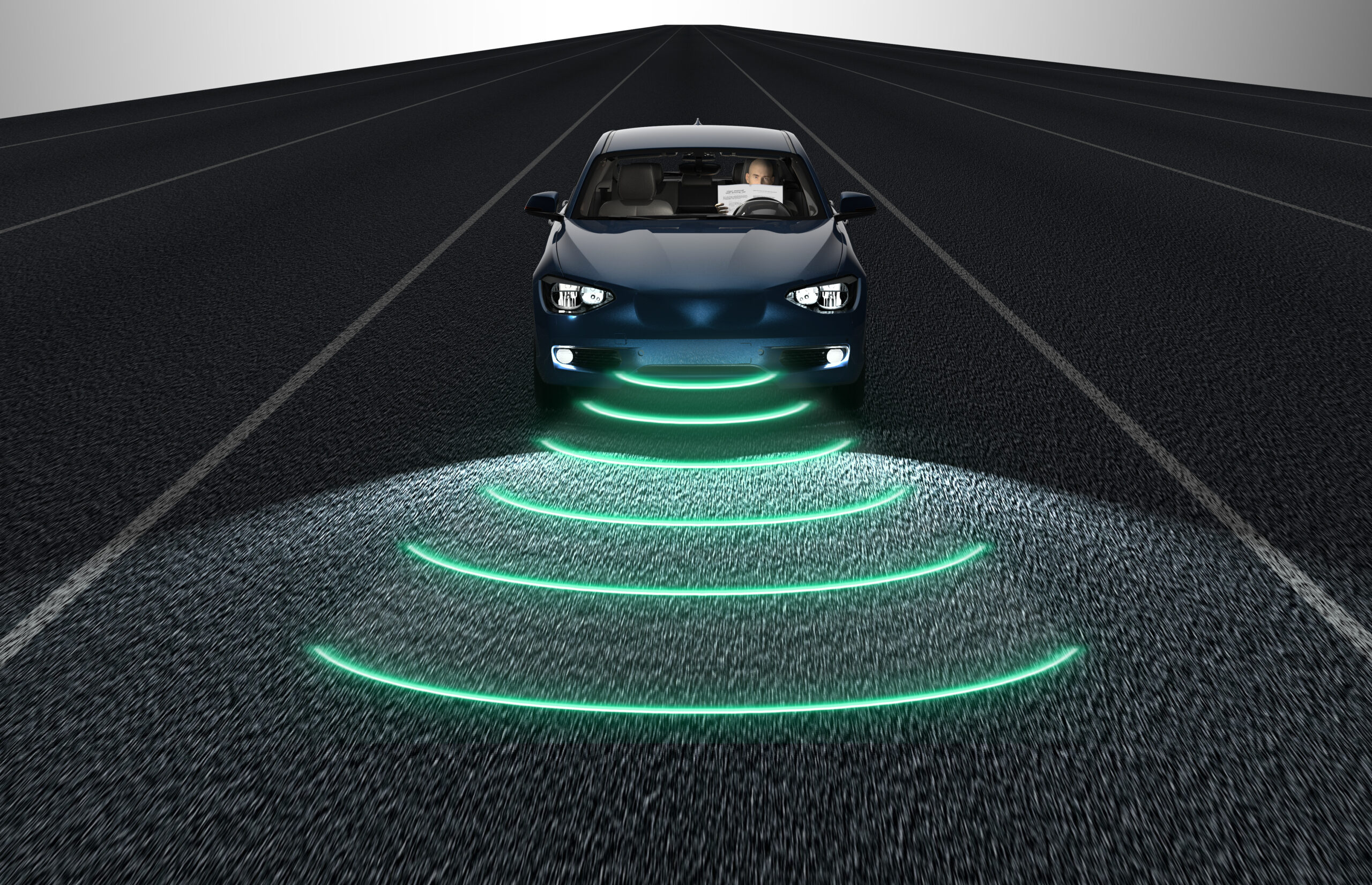
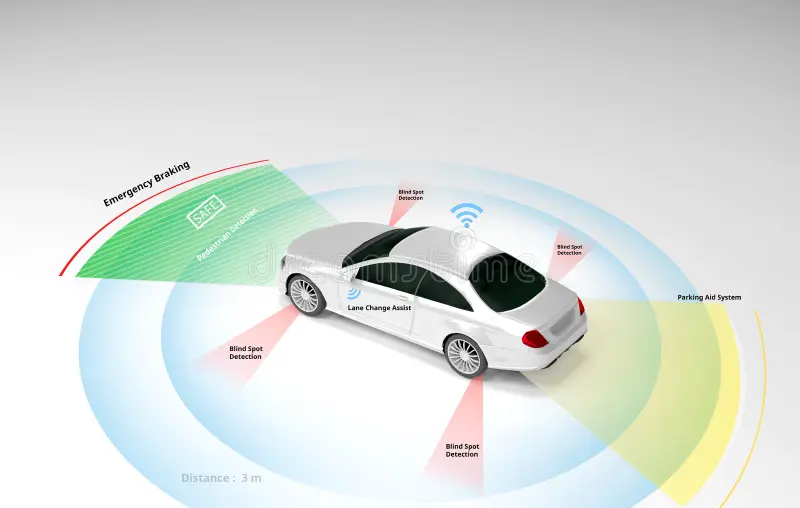
- LIDAR (Light Detection and Ranging): Constructs high-precision 3D maps of the vehicle’s surroundings using laser ranging.
- Radar: Detects the distance and speed of objects, especially over long distances and under adverse weather conditions.
- Cameras: Captures visual information from the environment to identify lane markings, traffic signals, pedestrians, and other objects.
- Ultrasonic Sensors: Used for short-range detection to enable parking assistance and obstacle avoidance.
Global Positioning System (GPS) and Navigation Technology:
- High-Precision GPS: Provides the exact location of the vehicle.
- Inertial Measurement Unit (IMU): Tracks the vehicle’s motion changes, assisting with attitude estimation and navigation.
Computer Vision and Image Processing:
- Object Detection and Classification: Identifies and classifies vehicles, pedestrians, traffic signals, and other obstacles on the road.
- Deep Learning and Neural Networks: Processes complex visual information, enhancing recognition and understanding capabilities.
Data Fusion:
- Sensor Fusion: Combines data from different sensors to provide a more comprehensive and accurate environmental perception.
Onboard Computing Platform:
- High-Performance Computing Unit (HPC): Processes large volumes of sensor data and runs complex algorithms.
- Application-Specific Integrated Circuit (ASIC) and GPU: Boosts computing speed and efficiency.
Machine Learning and Artificial Intelligence:
- Path Planning and Decision-Making: Determines the vehicle’s route and actions based on real-time information.
- Predictive Models: Predicts the behavior of other road users and makes proactive responses.
These technologies transform electric vehicles into powerful computing machines, and this is something they do very well. However, they have overlooked a more important aspect: Vehicle-to-Everything (V2X) communication.
Why is Vehicle-to-Everything (V2X) important?
Think about it, there is not just one car on the road. Each car is a node relative to the road and other cars, and these nodes are interconnected and influence each other. For example, if the car in front brakes, the following car must also brake to avoid a collision. The car behind will see the brake lights of the car in front and also step on the brake pedal. In this way, the braking action of the first car is not independent; it will continually propagate to the cars behind.
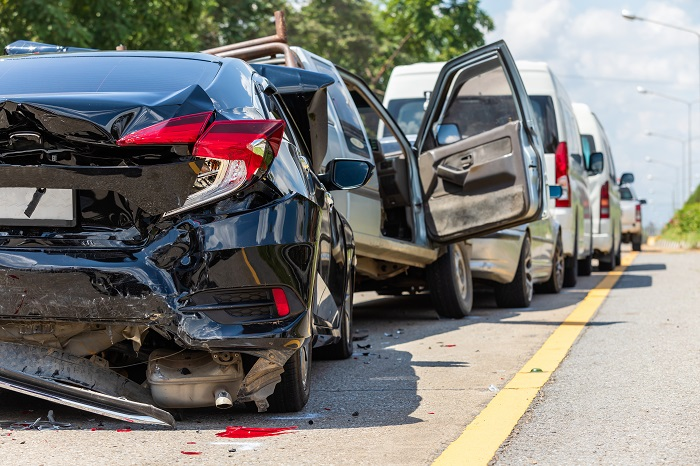
Although optical detection and LIDAR can detect objects, and even if the onboard chips can quickly recognize objects and make judgments, if any link in this chain fails, it could lead to irreversible consequences. Therefore, the way to make autonomous driving more intelligent and efficient is to evolve individual intelligence into collective intelligence, connecting all vehicles and sharing information. When the first car detects a problem, it can quickly relay the emergency braking message to the following cars, which then do not need to perform extensive calculations but can simply slow down gradually to avoid the problem.
There are countless car manufacturers on the market, and even charging plugs are not standardized, let alone interconnecting with other cars. Hence, the prerequisite for vehicle networking is to develop a unified communication interface, enabling all vehicles that support this interface to quickly join the network.
When every car can know the road conditions ahead, is safe and reliable autonomous driving still far from us? For real-world examples of where autonomous driving stands today, see how Chinese people view the Apollo Go robotaxi and the current status of Tesla’s Autopark technology.
